July 20, 2026
Modern western furniture design focuses on more than comfort and practicality; it also creates visual stories through the combination of textures and materials. By blending wood, metal, textiles, stone, and glass, designers create interiors that feel balanced, inviting, and unique. The thoughtful use of materials allows furniture pieces to express personal style while adding depth and character to living spaces.
Understanding how textures interact is essential for creating successful designs. This guide explores the principles behind combining materials, the influence of history, popular trends, and strategies for achieving a harmonious look with western furniture.
Understanding Texture and Material in Furniture Design
The Importance of Texture
Texture refers to the surface quality of a material, whether it is experienced through touch or visual perception. Smooth finishes, rough surfaces, woven fabrics, and natural grains all contribute to the overall atmosphere of a room. Designers use different textures to create contrast, highlight specific features, and make furniture more engaging.
In western furniture, texture plays an important role in creating balance between comfort and style. A leather chair paired with a wooden table or a soft fabric sofa placed near a metal accent can create a layered and appealing environment.
The Role of Materials
Materials determine both the appearance and performance of furniture. Wood offers warmth and timeless appeal, while metal provides strength and a modern industrial feel. Textiles add softness and color, while stone and glass introduce elegance and contemporary character.
Selecting the right materials requires consideration of durability, maintenance, and visual impact. Successful designs combine practical features with artistic choices to create furniture that remains attractive and functional over time.
Creating Harmony Between Textures and Materials
The interaction between textures and materials can transform a space when carefully planned. Contrasting elements, such as a smooth glass surface with a natural wood base, create visual interest without making the room feel disconnected. The goal is to combine differences while maintaining a sense of unity.
Balance is a key principle in furniture design because too many competing textures can overwhelm a space. Designers often use a limited selection of materials and repeat colors, creating a cohesive appearance.
Historical Influence on Western Furniture Textures
Evolution of Materials Over Time
The development of western furniture has been shaped by changing technologies, cultural influences, and available resources. Early furniture relied heavily on natural materials such as wood and fibers, while later innovations introduced metals, glass, and manufactured materials.
Historical movements influenced how textures and materials were used. The Arts and Crafts Movement celebrated handcrafted wood and natural finishes, while modern design movements introduced simpler forms and industrial materials that continue to influence contemporary furniture.
Cultural Influences on Design
Global trade and cultural exchange expanded the variety of materials and patterns used in Western interiors. Textiles, decorative techniques, and unique materials from different regions inspired designers to experiment with new combinations and styles.
Today, western furniture often reflects a blend of traditional craftsmanship and global influences. This combination allows designers to create spaces that feel both familiar and innovative.
Popular Textures and Materials in Contemporary Design
Wood and Natural Finishes
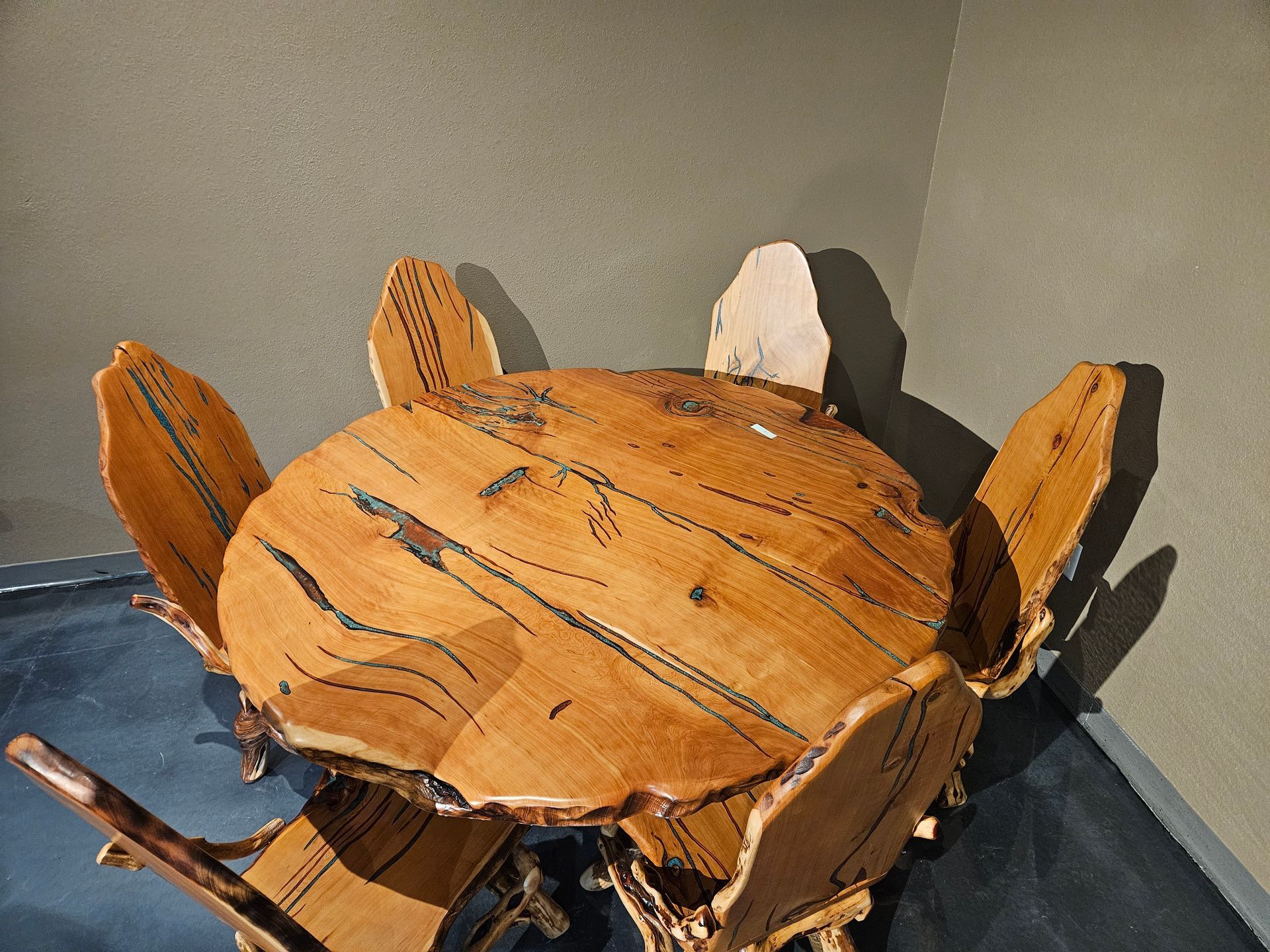
Wood remains one of the most popular materials in furniture design because of its warmth, versatility, and durability. Oak, pine, cherry, and mahogany each offer different colors and grain patterns that contribute to a room’s personality.
Reclaimed wood has also become popular among designers seeking sustainable options. Its natural imperfections and history create distinctive textures that add character to modern western furniture pieces.
Metal for Industrial and Modern Styles
Metal provides durability while offering a range of visual effects through different finishes. Brushed aluminum, stainless steel, iron, and brass can create everything from sleek contemporary designs to rustic-inspired furniture.
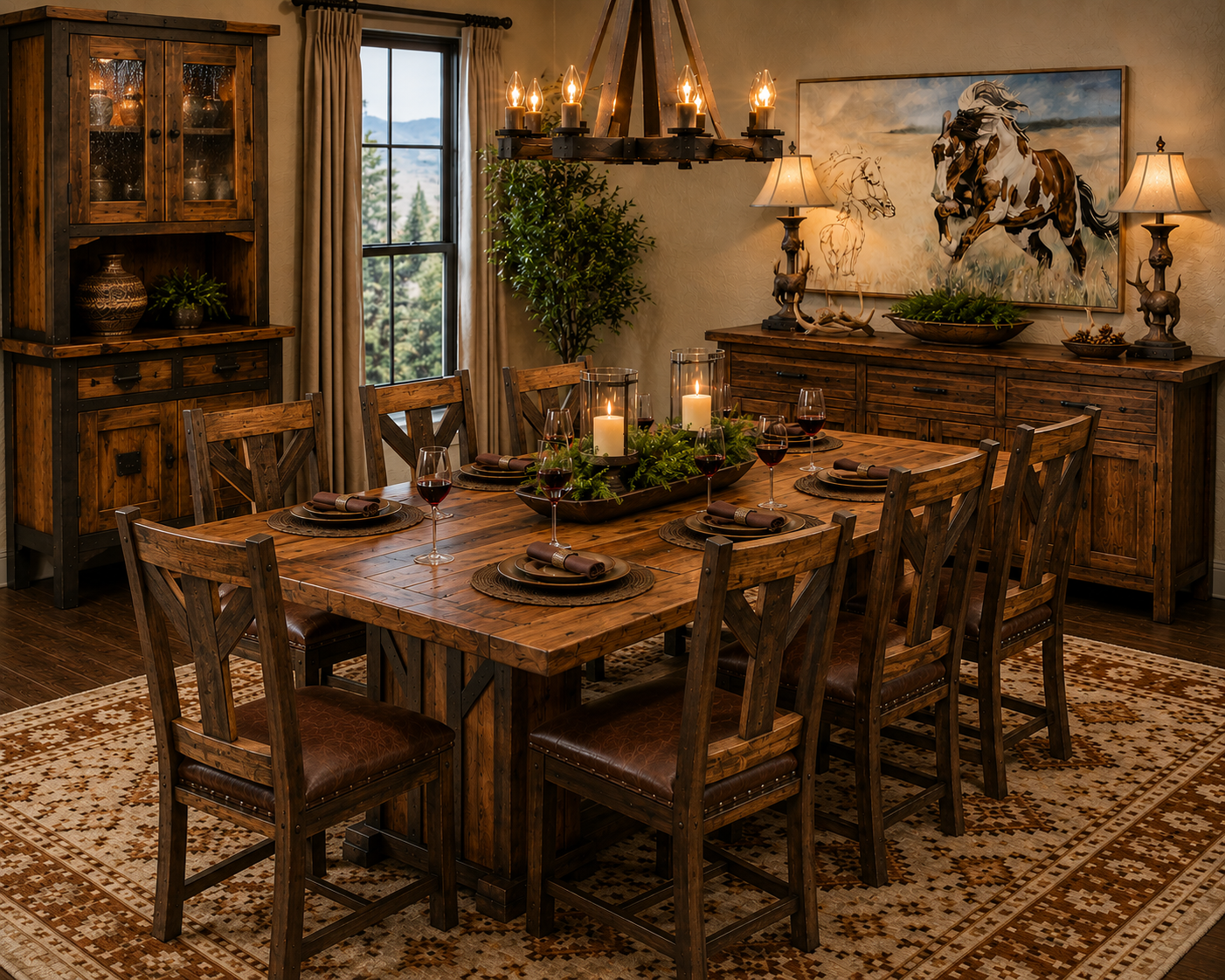
When combined with softer materials, metal creates balance by adding structure and contrast. This approach is common in western furniture where designers mix industrial strength with comfortable and welcoming elements.
Textiles and Upholstery
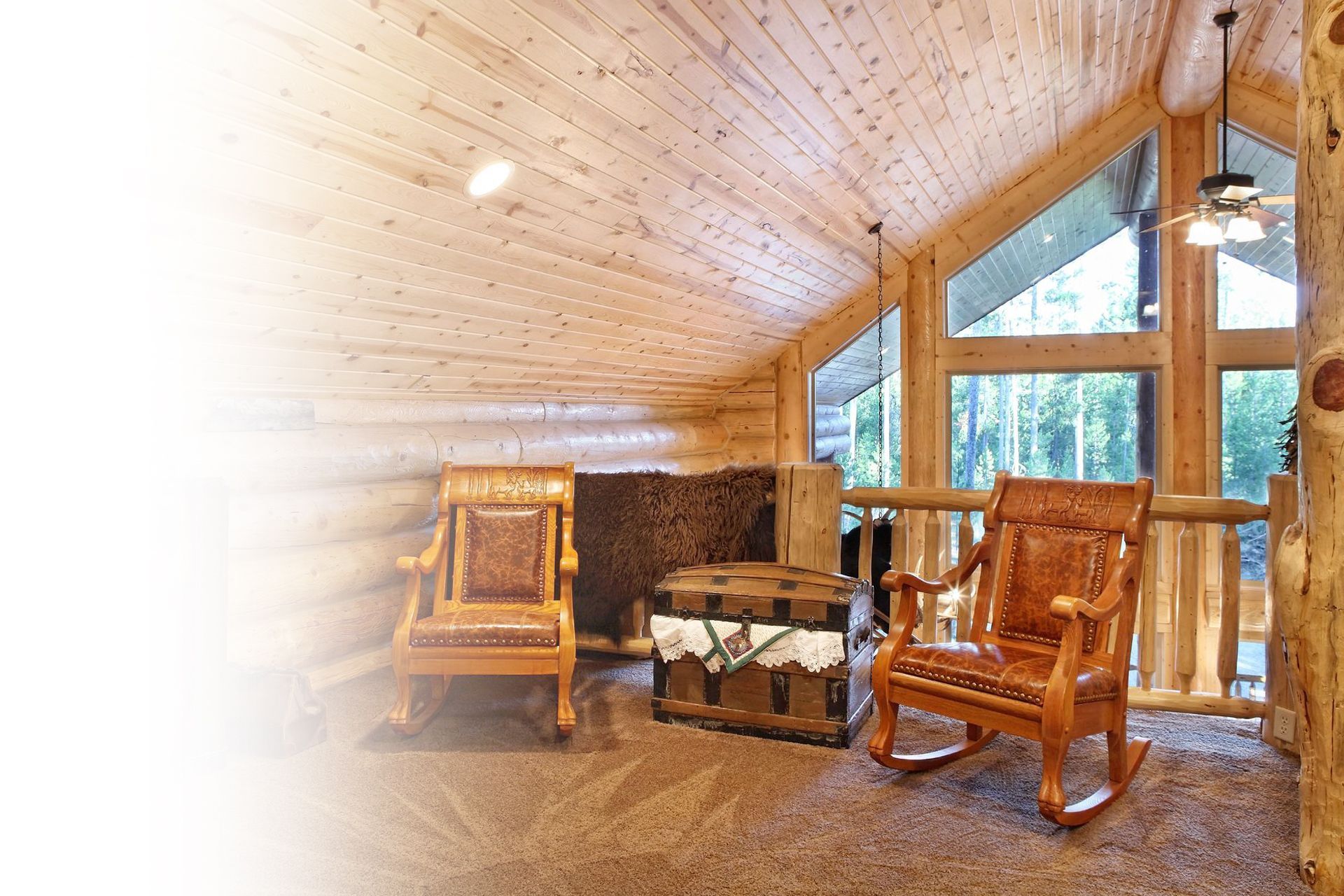
Textiles introduce softness, warmth, and personality into furniture design. Materials such as linen, cotton, wool, and leather provide different tactile experiences while supporting various design styles.
Modern upholstery trends focus on comfort and durability, with many designers combining natural fabrics with innovative synthetic materials. Patterned textiles and textured surfaces can also create visual movement without overwhelming the room.
Stone, Glass, and Concrete Elements
Stone, glass, and concrete add unique textures and a sense of permanence to furniture designs. Marble surfaces create luxury, glass provides openness, and concrete delivers a modern industrial appearance.
These materials are often used as statement features in tables, countertops, and decorative pieces. Their strong visual qualities make them effective when paired with warmer materials such as wood or fabric.
Designers are also exploring sustainable combinations of organic and synthetic materials. According to Custom Market Insights, the U.S. furniture market is expected to record a CAGR of 6.87% from 2025 to 2035.
Strategies for Mixing Textures and Materials
Layering Textures for Depth
Layering is one of the most effective ways to create a visually interesting interior. Combining smooth, rough, soft, and structured surfaces adds dimension and encourages interaction with the space.
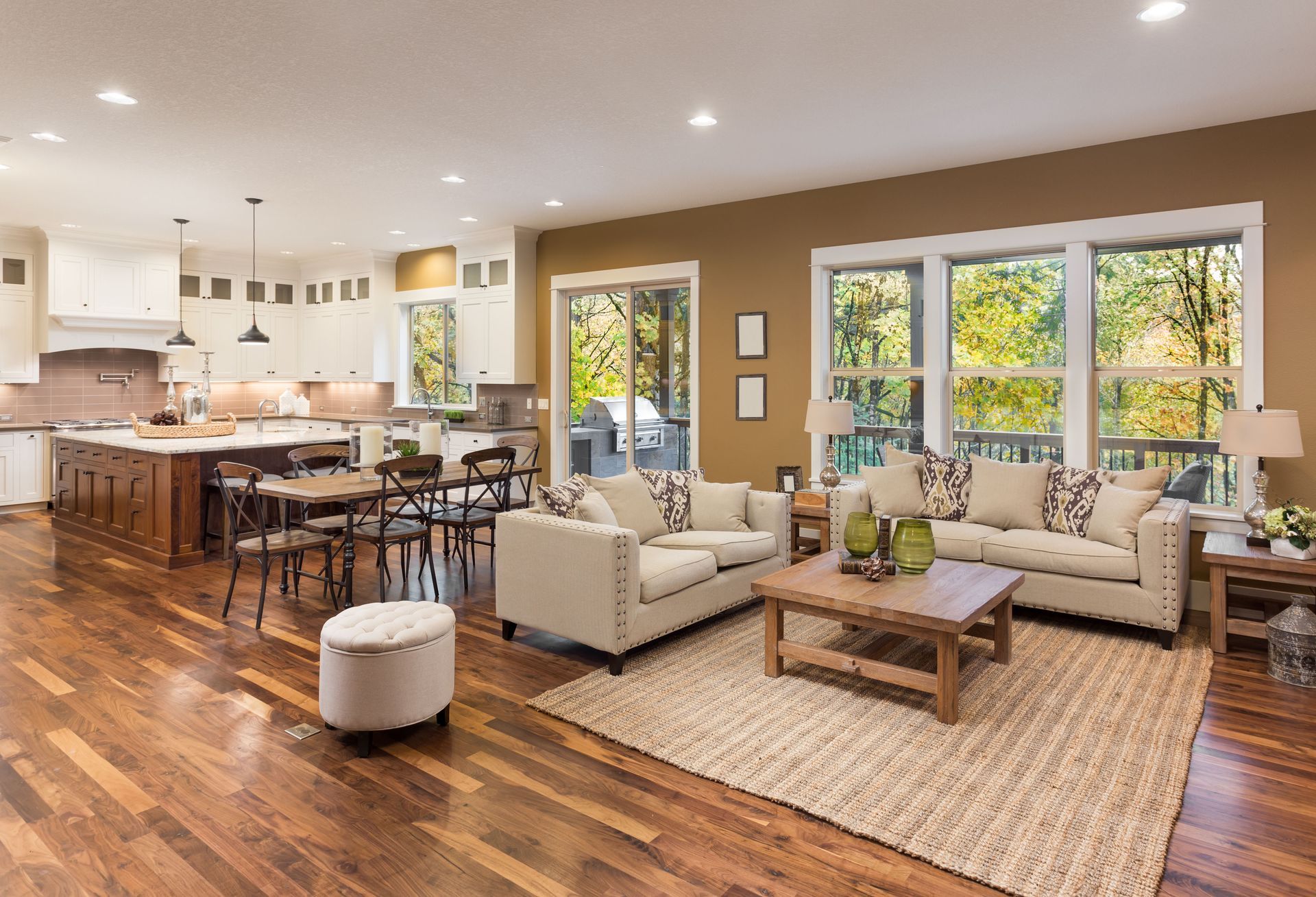
A room can achieve depth by pairing a textured rug with a leather chair, a wooden table with metal accents, or soft cushions with a solid frame. These combinations make furniture arrangements feel more complete and thoughtfully designed.
Using Contrast to Create Focal Points
Contrasting materials naturally attract attention and help define important areas within a room. A polished surface beside a natural texture can become a focal point that enhances the overall design.
However, contrast should be used carefully to avoid creating visual confusion. The strongest designs balance bold combinations with repeated colors, shapes, or finishes throughout the space.
Maintaining Color and Texture Balance
Color helps connect different materials and textures. Warm colors can emphasize wood grains, while cooler tones often complement metal and glass finishes.
A consistent color palette allows designers to mix materials without making the room appear crowded. This technique is especially valuable when creating modern western furniture interiors that combine multiple design influences.
Adding Texture Through Accessories
Accessories provide an easy way to introduce new textures without replacing major furniture pieces. Pillows, blankets, artwork, and decorative objects can quickly change the atmosphere of a room.
These smaller elements allow homeowners to experiment with different styles and seasonal trends. They also provide flexibility when updating an existing furniture arrangement.
Challenges When Combining Materials
Avoiding Too Many Textures
Using too many materials can make a room feel cluttered and unbalanced. Designers typically focus on a few complementary textures to create interest while preserving visual harmony.
The most successful spaces combine variety with simplicity. Careful planning ensures that each material contributes to the overall design instead of competing for attention.
Balancing Durability and Maintenance
Furniture must remain practical as well as attractive. Materials should be selected based on their ability to withstand daily use, cleaning requirements, and long-term performance.
Durable materials such as quality wood, strong fabrics, and reliable finishes help ensure furniture remains beautiful for years. This balance between appearance and function is essential in western furniture design.
Mixing textures and materials requires creativity, balance, and an understanding of how different elements work together. From natural wood and soft textiles to metal and glass, each material contributes to the personality and atmosphere of a space.
The future of western furniture design will continue to explore new materials, sustainable practices, and innovative combinations. By carefully blending textures and finishes, designers can create interiors that are stylish, functional, and reflective of individual expression For more information, contact Wolfe Mottola & Sons Construction.